

Understanding Chronic Pain: Causes, Management, and Long-Term Care
Chronic pain is a complex medical condition that affects millions of people worldwide, often persisting long after an initial injury or illness has healed. Unlike acute pain, which serves as a warning signal, chronic pain becomes a condition in itself.
Living with ongoing pain can influence physical mobility, emotional well-being, sleep quality, and overall quality of life. This article explores the nature of chronic pain, why it develops, and how long-term management strategies can support patient well-being.
What Defines Chronic Pain
Chronic pain is typically defined as pain that lasts for more than three to six months, continuing beyond the expected period of healing. It may remain constant or fluctuate in intensity over time.
This type of pain can arise from musculoskeletal disorders, nerve damage, autoimmune conditions, or persistent inflammation. In some cases, the original cause may no longer be identifiable.
Understanding chronic pain requires recognizing that it involves both physical and neurological processes rather than a single injury site.

Common Causes and Risk Factors
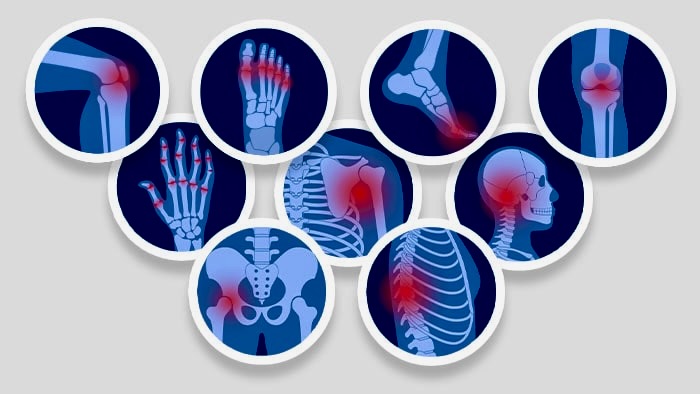
Conditions such as arthritis, lower back disorders, migraines, fibromyalgia, and nerve compression are common contributors to chronic pain.
Psychological stress, previous trauma, and prolonged physical strain can also increase the risk of developing long-term pain conditions.
In many patients, chronic pain results from a combination of biological, psychological, and social factors, making individualized assessment essential.

Impact on Daily Life and Mental Health
Chronic pain often interferes with daily activities such as walking, working, and maintaining social relationships. Over time, this can contribute to emotional distress and reduced independence.
Many individuals experience anxiety, depression, or sleep disturbances as a result of ongoing discomfort. These psychological effects can, in turn, intensify the perception of pain.
Addressing both physical symptoms and emotional well-being is a critical component of effective pain management.

Approaches to Long-Term Pain Management
Managing chronic pain often requires a multidisciplinary approach that may include medical treatment, physical therapy, lifestyle adjustments, and psychological support.
Doctors may recommend medications, guided exercise programs, relaxation techniques, or behavioral therapies depending on the underlying cause and patient needs.
The goal of long-term care is not only pain reduction but also improving function, mobility, and overall quality of life.
Living with Chronic Pain
Effective chronic pain management emphasizes patient education and active participation in care decisions. Understanding triggers, treatment options, and realistic goals helps patients regain a sense of control.
With proper guidance and ongoing support, many individuals learn to manage pain effectively while maintaining meaningful daily activities.
Conclusion
Chronic pain is a multifaceted medical condition that requires thoughtful, personalized care. Recognizing its complexity is essential for effective treatment and patient support.
Through comprehensive management strategies and professional guidance, individuals living with chronic pain can achieve improved comfort, function, and quality of life.
Leave a Reply