

Mental Health: Recognizing Early Signs, Reducing Stigma, and Seeking Support
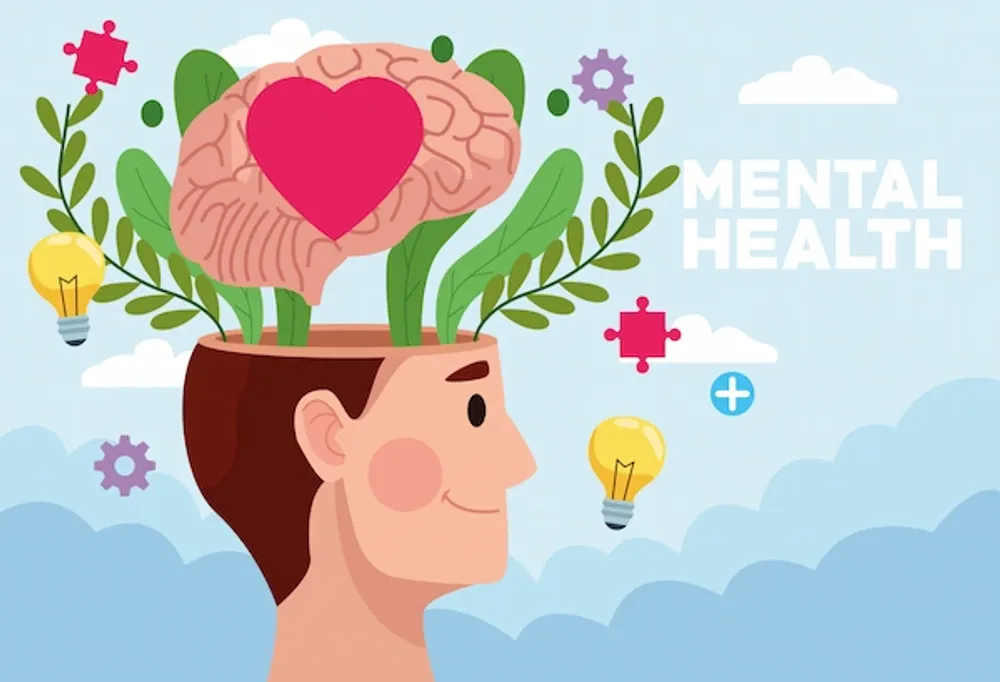
Mental health is an essential component of overall well-being, influencing how individuals think, feel, behave, and cope with daily life. Despite its importance, mental health conditions often remain under-recognized or untreated due to stigma, misunderstanding, or delayed intervention.
Just as physical health requires regular care and attention, mental health benefits from early recognition, professional guidance, and supportive environments. This article explores common mental health challenges, early warning signs, and the role of medical support in maintaining psychological well-being.
Understanding Mental Health as Part of Whole-Body Care
Mental health does not exist in isolation from physical health. Chronic stress, anxiety, or depression can affect sleep patterns, immune function, cardiovascular health, and metabolic balance.
Likewise, physical illnesses, hormonal changes, and neurological conditions can contribute to emotional distress. Recognizing this interconnected relationship allows healthcare providers to approach mental health as part of comprehensive medical care rather than a separate concern.
Integrated healthcare models emphasize that mental well-being is fundamental to long-term health outcomes.

Common Mental Health Conditions and Early Warning Signs
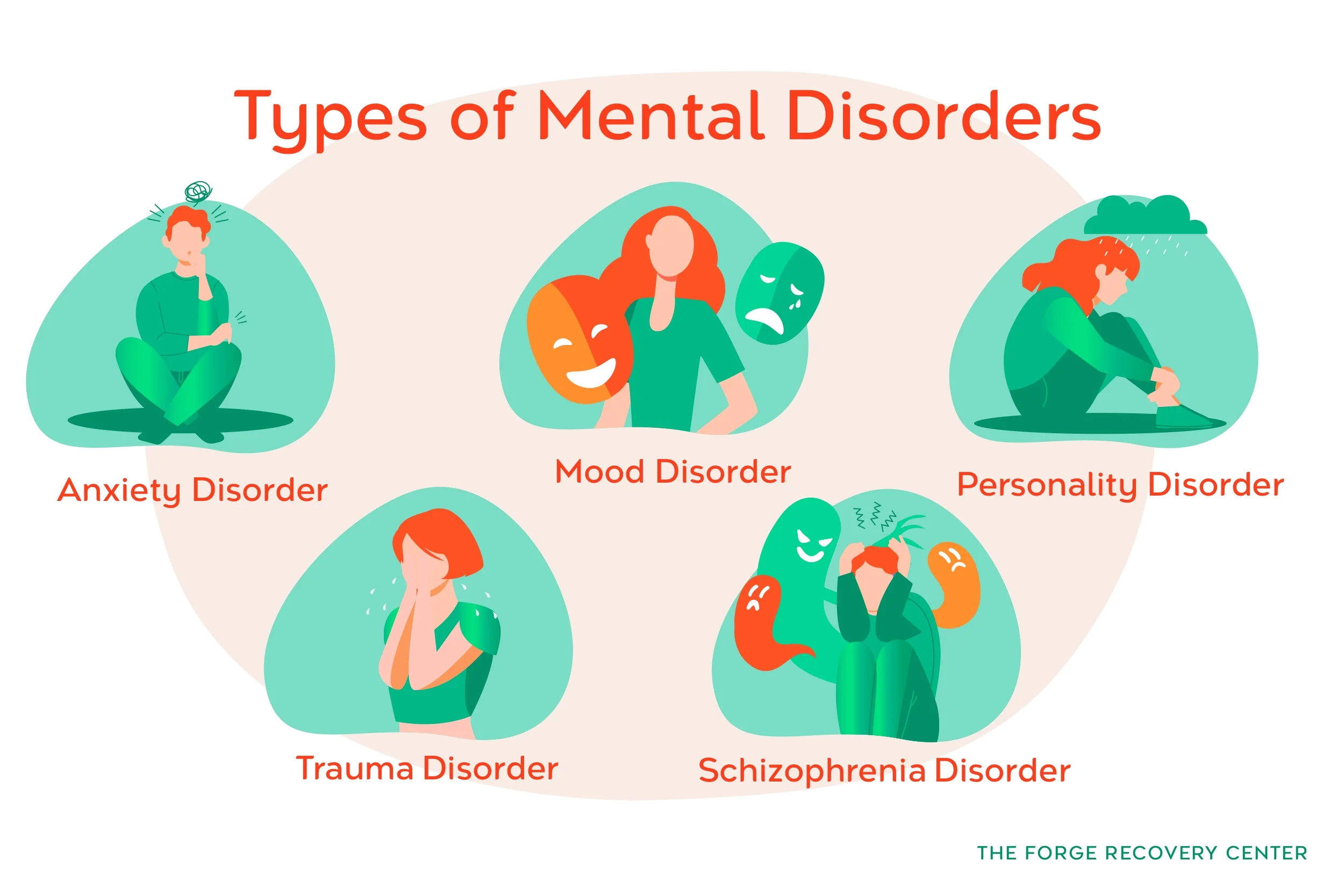
Conditions such as anxiety disorders, depression, and stress-related disorders are among the most common mental health concerns worldwide. Early symptoms may include persistent sadness, excessive worry, irritability, fatigue, or difficulty concentrating.
Changes in sleep, appetite, or social behavior can also signal underlying emotional distress. These signs are often gradual and may be mistaken for temporary stress or lifestyle issues.
Early identification allows for timely intervention, reducing the risk of symptoms becoming more severe or long-lasting.
The Impact of Stigma on Seeking Care
Social stigma remains one of the largest barriers to mental health care. Many individuals delay seeking help due to fear of judgment, misunderstanding, or perceived weakness.
This delay often leads to worsening symptoms and reduced quality of life. Education, open conversations, and professional reassurance play a crucial role in reducing stigma and encouraging timely medical support.
Viewing mental health care as a routine part of healthcare helps normalize seeking assistance when needed.

Professional Support and Treatment Approaches
Mental health treatment may include counseling, psychotherapy, medication, or a combination of approaches depending on individual needs. Licensed mental health professionals tailor care plans based on symptom severity, medical history, and personal circumstances.
Regular follow-ups and ongoing support help individuals develop coping strategies, emotional resilience, and improved self-awareness.
Early professional guidance can significantly improve recovery and long-term mental well-being.
Conclusion
Mental health is a vital part of overall health that deserves the same attention, care, and respect as physical well-being. Early recognition, reduced stigma, and access to professional support are key to maintaining emotional balance and quality of life.
By integrating mental health awareness into routine healthcare, individuals and communities can foster healthier, more resilient lives.
Leave a Reply