

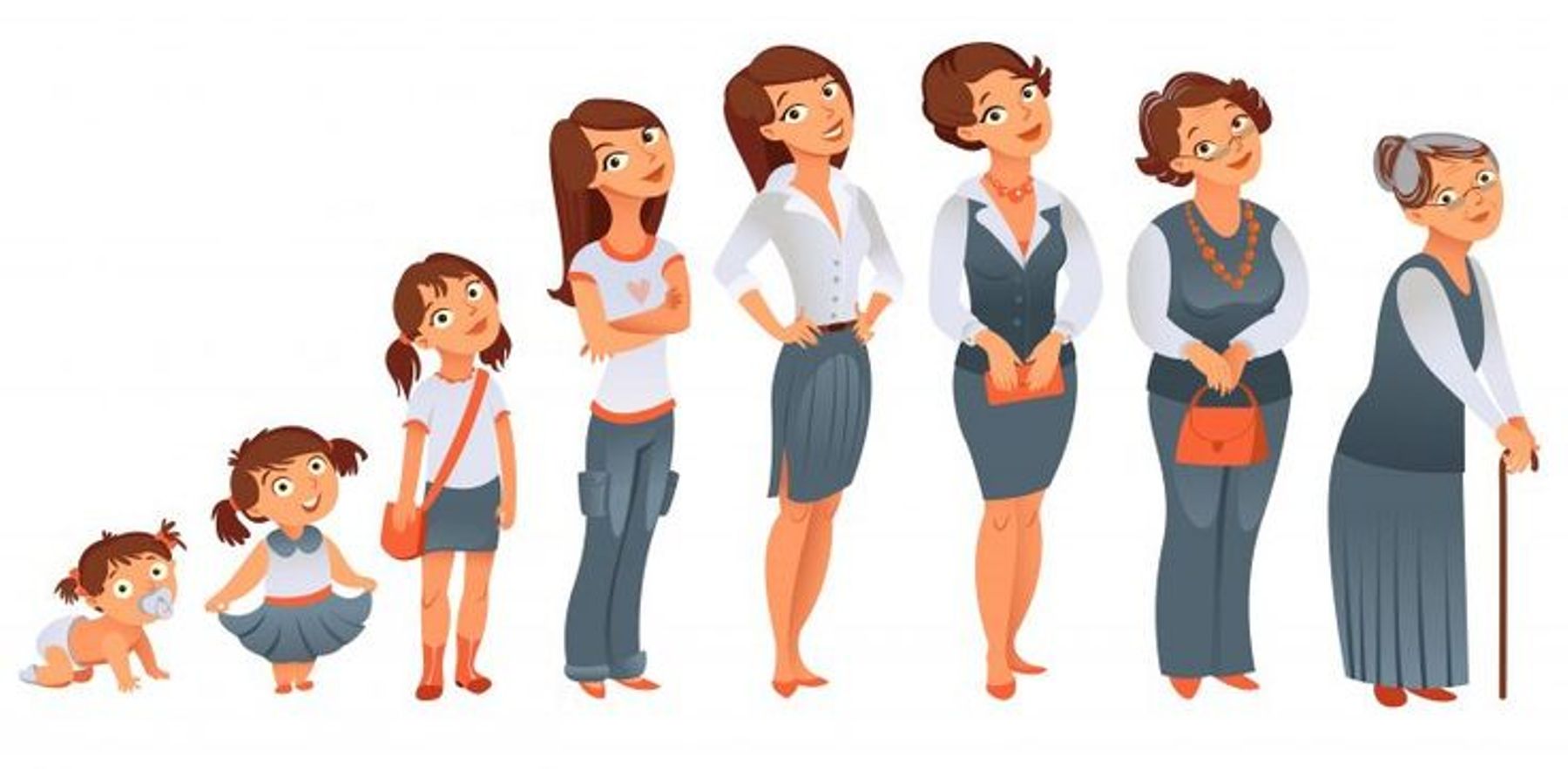
Women’s Health Across Life Stages: Understanding Care, Changes, and Medical Needs
Women’s health is shaped by biological, hormonal, and social factors that evolve throughout life. From adolescence to older adulthood, women experience unique medical needs that require specialized attention, preventive care, and informed decision-making.
Understanding these life-stage changes enables women to seek timely medical guidance, manage health risks effectively, and maintain long-term well-being. This article explores women’s health across different stages of life and highlights the importance of comprehensive care.
Adolescence and Early Adulthood
Adolescence marks the beginning of reproductive health development, hormonal changes, and physical growth. Menstrual health, nutritional needs, and mental well-being are central concerns during this stage.
Irregular cycles, anemia, hormonal imbalances, and emotional stress are common issues that may require medical evaluation. Early education and access to healthcare help establish healthy habits that continue into adulthood.
Preventive care during this stage also includes vaccination, sexual health education, and screening for early hormonal or metabolic disorders.

Reproductive Years and Maternal Health
During reproductive years, women often balance career, family, and personal health while managing fertility, pregnancy, and postpartum recovery. Hormonal fluctuations and lifestyle demands can influence physical and emotional health.
Conditions such as polycystic ovary syndrome (PCOS), thyroid disorders, endometriosis, and fertility challenges are commonly diagnosed during this phase. Regular gynecological consultations allow for early identification and management.
Maternal health requires specialized care before, during, and after pregnancy to ensure the well-being of both mother and child. Prenatal monitoring, nutritional guidance, and mental health support are essential components of comprehensive care.

Midlife Health and Hormonal Transitions
Midlife introduces hormonal transitions that may impact metabolism, bone density, cardiovascular health, and emotional balance. Perimenopause and menopause are natural stages that require informed medical guidance.
Symptoms such as fatigue, mood changes, sleep disturbances, and joint discomfort may affect daily functioning. Monitoring hormone levels, bone health, and heart health becomes increasingly important.
Lifestyle adjustments combined with appropriate medical interventions help women maintain quality of life and reduce long-term health risks.

Preventive Care and Chronic Disease Management
Preventive healthcare plays a critical role throughout a woman’s life. Regular screenings for breast health, cervical health, bone density, and metabolic conditions help detect issues early.
Women are also at risk of chronic conditions such as osteoporosis, cardiovascular disease, autoimmune disorders, and metabolic syndromes. Long-term monitoring and coordinated care reduce complications and improve outcomes.
Engaging in preventive strategies empowers women to take control of their health proactively.
Healthy Aging and Long-Term Well-Being
As women age, maintaining independence, mobility, and cognitive health becomes a priority. Healthy aging involves managing chronic conditions while preserving physical and emotional well-being.
Continued medical support, balanced nutrition, physical activity, and mental health care contribute to sustained quality of life in later years.
Conclusion
Women’s health is a lifelong journey shaped by biological transitions and individual needs. Understanding these changes enables informed healthcare decisions at every stage of life.
With timely medical guidance, preventive care, and professional support, women can achieve long-term health, resilience, and well-being across all life stages.
Leave a Reply