

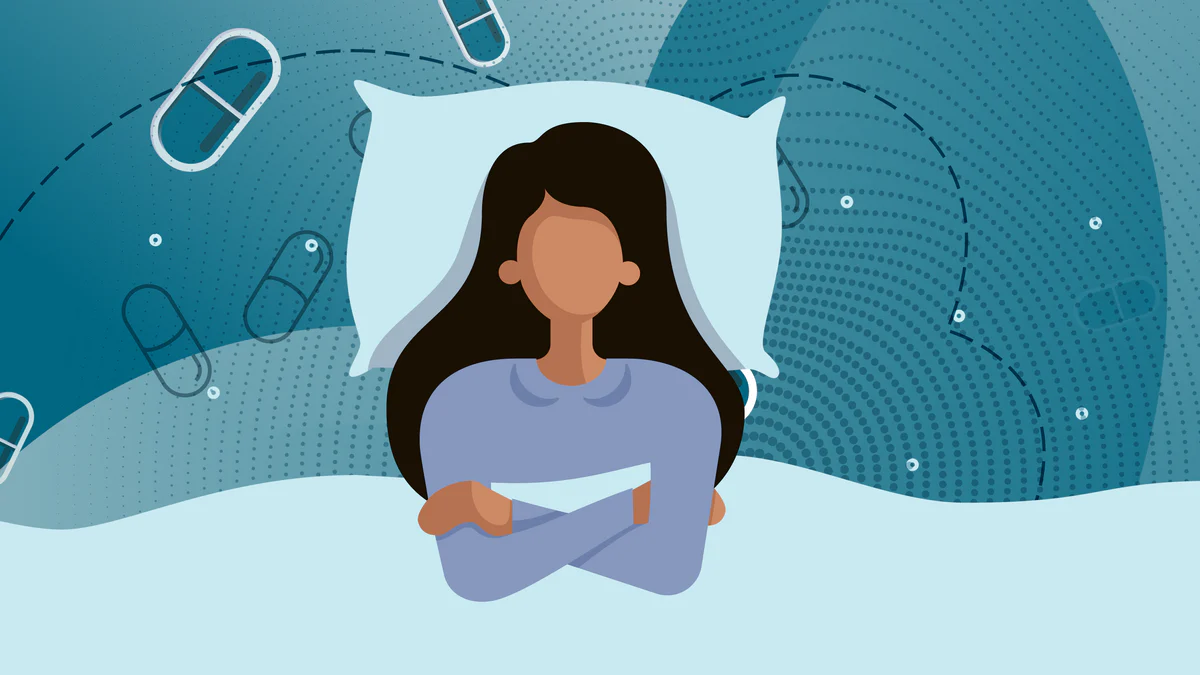
Sleep Disorders: How Poor Sleep Affects Health and When to Seek Help
Sleep is a fundamental biological process essential for physical recovery, mental clarity, and emotional balance. Despite its importance, sleep disorders affect a significant portion of the global population, often going undiagnosed or untreated.
Persistent sleep disturbances can disrupt daily functioning, weaken immune responses, and increase the risk of long-term health complications. This article explores common sleep disorders, their impact on health, and when medical evaluation becomes necessary.
Understanding Sleep Disorders
Sleep disorders are conditions that interfere with the ability to obtain restful and consistent sleep. These disorders may affect sleep quality, duration, or timing.
Common sleep disorders include insomnia, sleep apnea, restless leg syndrome, and circadian rhythm disorders. Each condition presents unique symptoms but shares the potential to significantly impair health.
Sleep disorders can develop gradually, making them easy to overlook until symptoms become severe or persistent.

Causes and Contributing Factors
Sleep disorders may result from stress, irregular schedules, medical conditions, or neurological factors. Lifestyle habits such as excessive screen time, caffeine intake, and lack of physical activity also play a role.
Medical conditions including obesity, respiratory disorders, hormonal imbalances, and mental health concerns can further increase the risk of sleep disruption.
In many cases, multiple contributing factors interact, making proper medical assessment essential for accurate diagnosis.
:max_bytes(150000):strip_icc()/connection-between-mental-health-and-sleep-disorders-5206154-V1-6569fbd5adda437ab5c1e7c5162bb690.jpg)
Health Consequences of Poor Sleep
Chronic sleep deprivation is linked to increased risks of cardiovascular disease, diabetes, weakened immunity, and impaired cognitive function.
Poor sleep can also contribute to mood disturbances, reduced concentration, and slower reaction times, affecting work performance and personal safety.
Over time, untreated sleep disorders may worsen existing medical conditions and reduce overall quality of life.

Diagnosis and Medical Evaluation
Diagnosing sleep disorders often involves reviewing sleep patterns, medical history, and lifestyle habits. Doctors may recommend sleep studies or monitoring devices for detailed assessment.
Early diagnosis allows for targeted treatment strategies that address both symptoms and underlying causes.
Seeking professional guidance is especially important when sleep problems persist despite basic lifestyle changes.
Treatment and Long-Term Management
Treatment approaches depend on the type and severity of the sleep disorder. Options may include behavioral therapy, medical devices, medication, or lifestyle modifications.
Long-term management focuses on restoring healthy sleep patterns while minimizing dependence on short-term solutions.
Conclusion
Sleep disorders are common but often underestimated medical conditions with wide-ranging health effects. Recognizing symptoms early is essential for effective care.
With proper medical evaluation and ongoing support, individuals can achieve better sleep, improved health outcomes, and enhanced quality of life.
Leave a Reply