

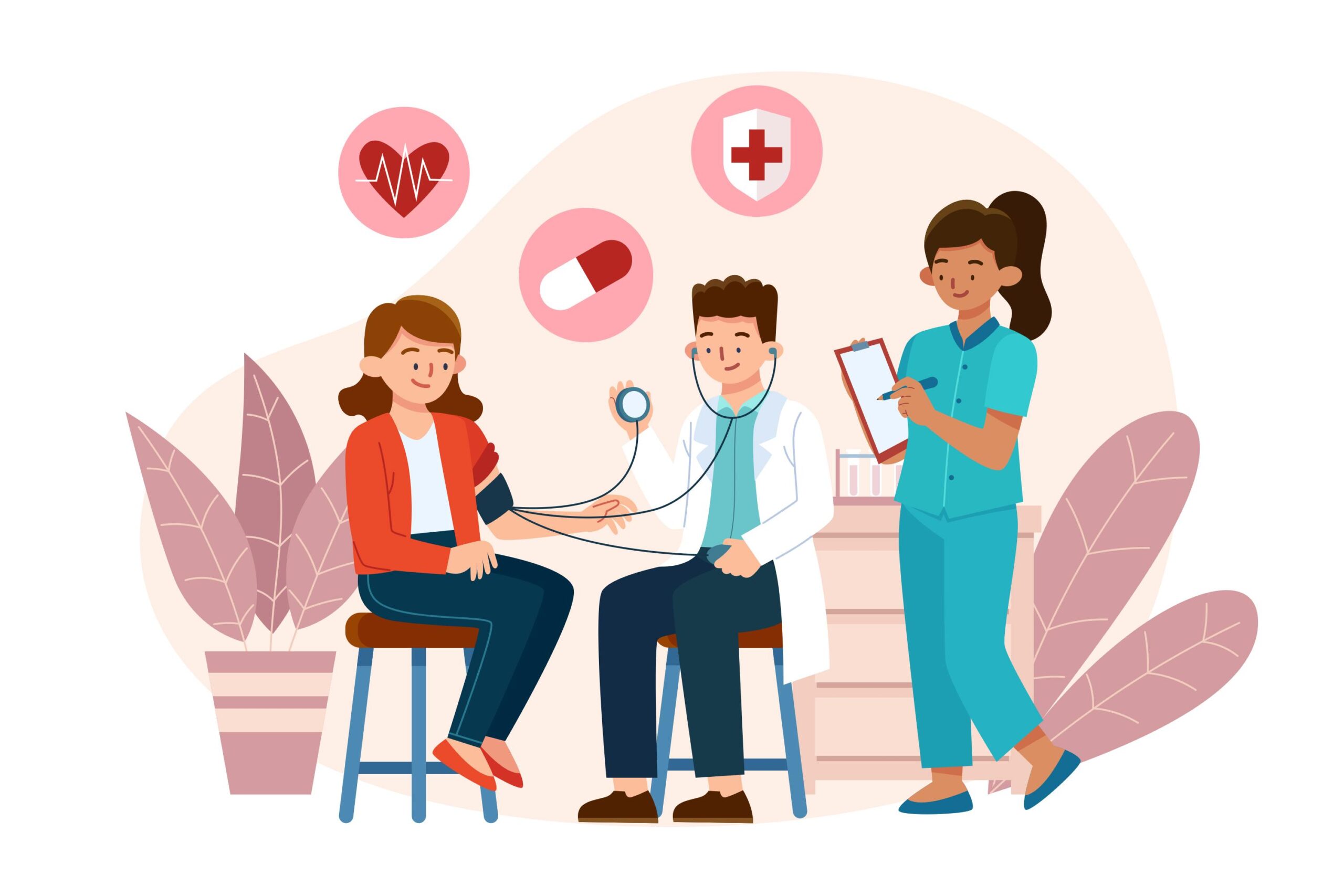
Preventive Healthcare: Building Long-Term Wellness Through Early Action
Preventive healthcare focuses on identifying health risks early and addressing them before they develop into serious medical conditions. Rather than reacting to illness, this approach emphasizes foresight, regular assessment, and sustained lifestyle management.
Modern healthcare systems increasingly recognize prevention as essential to improving population health and reducing long-term medical burden. This article explores the principles of preventive care, its clinical foundations, and its role in supporting lifelong wellness.
Understanding Preventive Medicine
Preventive medicine encompasses a broad range of practices designed to maintain health and prevent disease. These include routine health screenings, vaccinations, lifestyle counseling, and early diagnostic evaluations.
By detecting abnormalities at an early stage, healthcare providers can intervene before symptoms become severe. This approach not only improves outcomes but also reduces the need for complex medical interventions later.
Preventive care is not limited to a specific age group; it supports health at every stage of life, from childhood to older adulthood.
Screening and Early Detection
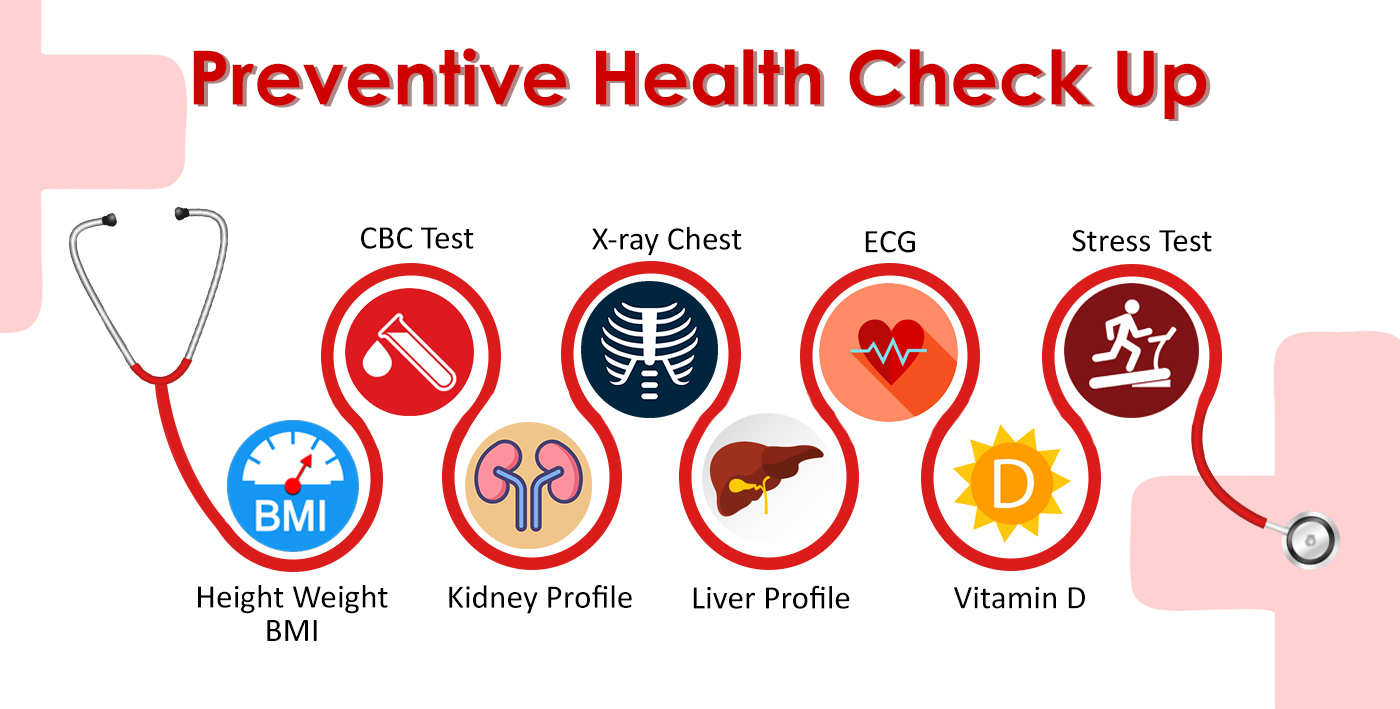
Health screenings play a vital role in identifying conditions such as hypertension, diabetes, cardiovascular disease, and certain cancers before symptoms appear.
Early detection allows for timely treatment plans that are often less invasive and more effective. Regular screenings also help physicians monitor trends in a patient’s health over time.
Adherence to recommended screening schedules is a key component of responsible health management.
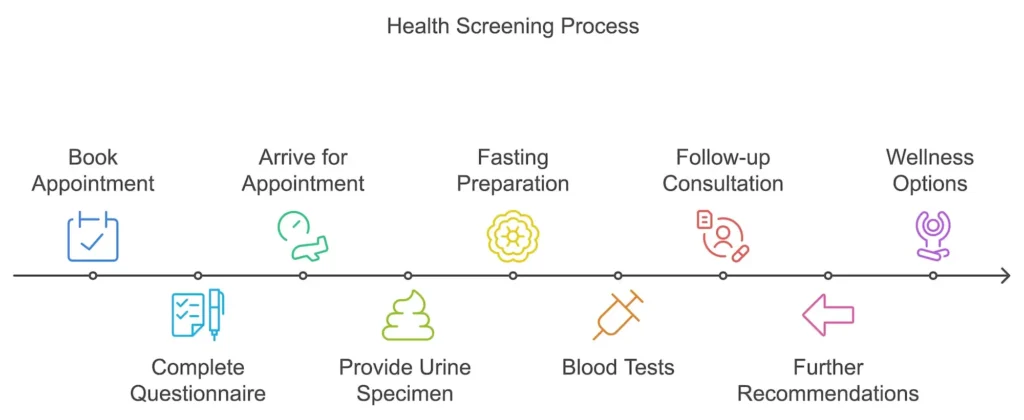
Lifestyle Management and Risk Reduction
Preventive healthcare extends beyond clinical settings into daily lifestyle choices. Nutrition, physical activity, sleep quality, and stress management all significantly influence long-term health.
Healthcare providers guide patients in adopting sustainable habits that reduce the risk of chronic diseases. These changes, when implemented consistently, contribute to improved energy levels, mental well-being, and overall quality of life.
Preventive strategies focus on long-term behavior rather than short-term interventions.

Preventive Care Across Different Life Stages
Preventive needs evolve throughout life. Childhood care emphasizes immunizations and developmental monitoring, while adulthood focuses on metabolic health and cardiovascular risk management.
In later years, preventive care supports mobility, cognitive health, and chronic disease control. Personalized preventive strategies help address age-specific health concerns.
This life-course approach ensures continuity and adaptability in healthcare planning.
Economic and Systemic Benefits
Preventive healthcare contributes to reduced healthcare costs by minimizing emergency care, hospital admissions, and long-term complications.
Health systems that invest in prevention experience improved efficiency and better resource allocation. Patients also benefit from reduced financial and emotional stress.
Prevention strengthens healthcare sustainability while improving individual well-being.
Conclusion
Preventive healthcare empowers individuals to take an active role in managing their health. Through early detection, lifestyle guidance, and regular monitoring, it supports long-term wellness.
By prioritizing prevention, healthcare systems and patients together create a foundation for healthier, more resilient communities.
Leave a Reply